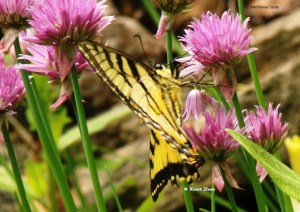
 When we strike a balance with nature, creatures of all shapes and sizes with whom we share our neck of the woods all benefit, so it’s a win-win!
When we seek to create a garden, it can become a hub of activity, much of it we may not even be aware of, but activity that caters to wildlife. If we are mindful of life beyond ourselves and provide eco friendly spaces for other living creatures, we offer refuge to many a beneficial visitor.
Insects, birds, and smaller mammals begin to thrive, visit and maybe even take up residence! That’s usually because creatures smaller than themselves are also in the vicinity, offering a food source, so the chain of life begins.
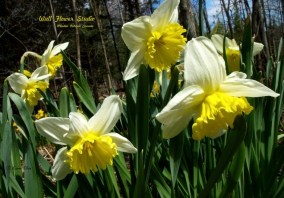 Spring is an ideal time to embrace local biodiversity. We gardeners can see the effects of our handiwork in our own plots.
Perhaps not overnight, but over the course of a season when our yards yield evidence of the wildlife we’ve attracted. This is done when we create a natural space in which they can prosper.
Take the humble bumblebee. I’m going to risk the raising of eyebrows from fellow dog lovers and state that bees are up there with our pooches as ‘man’s best friend’! But seriously, some hard working pollinators might seem scary to a few folk, but they very rarely sting and if they do, it’s as a last line of defence. Beyond that caveat, a bee’s hard work and importance to us as a species cannot be overstated.
Can you imagine a garden without flowers? Or an orchard without fruit? In some parts of the world, this dystopian outlook is closer to reality than we might fear…
Approximately 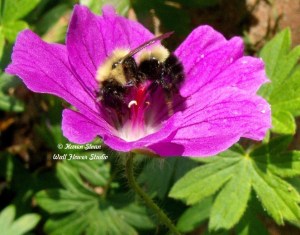 80 percent of food crops grown around the world require pollination and that’s mainly done by the hardworking bee. Unfortunately bees are having a particularly hard time at the moment. It has become entirely clear to many that habitat loss and the use of pesticides and herbicides, mainly by big Ag are the main contributor to our loss of bees. (I believe Monarch butterflies may also fall victim to these practices for similar reasons, but I digress..).
 Millions of bees have died and this disturbing occurrence is not just taking place in North America, but all over the world. Because of this, it’s crucial that we gardeners plant our plots to ensure the survival of the bee. We can offer them a safe haven from chemicals, and considering just how important they are with respect to our food supply, the consequences could be devastating to say the least, so our help no matter how small is vital.
 We can help by offering bees, and other pollinators, plants that are attractive to them when foraging for food. Consider growing bee balm (Monarda) in the garden. It’s an excellent choice and certainly lives up to its name! The bonus is, bee balm is extremely appealing to hummingbirds and butterflies, too!
Just off the top of my head, I’d like to name several varieties in my garden that I’ve found appeal to bees and other creatures:
Aconitum (Monkshood), Chives , Dandelions, Purple coneflowers (Echinacea purpurea), Digitalis (Foxglove), Bearded Iris, Lupinus X polyphylla (Lupine) Physostegia virginiana (Obedient Plant), Pulmonaria (Lungwort), Sunflowers, Sweet William (Dianthus barbatus), Hollyhocks, and Gaillardia, just for starters! Of course the best thing any gardener can do is to have a progression of blooms throughout the growing season, which is a tall order for even the seasoned gardener, but definitely a great goal to have.
 The same gardening practices that attract and help wildlife also improve our air, water and soil quality. The benefit goes beyond our gardens, and it only takes a few plants and some forethought to create these habitats.
We can even attract creatures to our garden by adding a couple of containers with some flowering annuals. Gardeners with limited space may even want to plant vertically. Using wall space, arbors or fences to grow perennial vines like honeysuckle, Virginia creeper or annuals like sweet pea, morning glory, or scarlet runner beans and even hanging baskets will woo pollinators.
 If you’re ambitious, consider selecting a wide variety of plants that provide blooms from early spring into late fall. Hummingbirds happen to prefer red tubular flowers and will visit all season long for them. Butterflies are usually drawn to more open-faced yellow and purple flowers, as well as herbs like lavender, dill, thyme, oregano and parsley.
Many herbs can be grown in containers in the smallest of garden like a balcony or windowsill. And I’ve yet to mention native plants, which offers the ultimate gift to wildlife as they are even more attractive a food source for local pollinators than anything else one could grow.
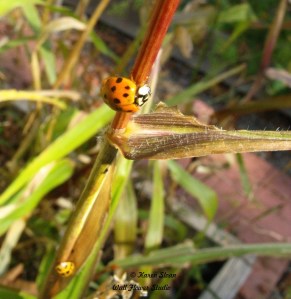
By making a conscious effort to not use harmful chemicals in the garden we encourage beneficial insects like ladybugs to visit, who happen to eat aphids! Toads and frogs are great allies in the garden as well since they eat slugs and grasshoppers. For them, I have a couple broken clay pots turned upside down, which offers these creatures some shelter during rainstorms. I also strategically place large seashells in the garden which collect water to offer them a drink on a hot day.
 With very little maintenance, the garden will be a welcome haven for all kinds of insects and birds, and wildlife, while adding beauty and creating sustainability at the same time. Whether it’s mulching beds, reducing the size of lawn, which happens to be the most unnatural landscape of all considering the chemicals and water use that go into maintaining one, or by harvesting rainwater in a barrel for use on annual containers, we all benefit by preserving the environment and creating an ecological balance in our own backyard. Remember, preserving the environment is one of the most fundamental elements of gardening.
Have fun in the garden, and at the same time lend a helping hand, and those green thumbs to the pollinators in your neck of the woods. 🙂
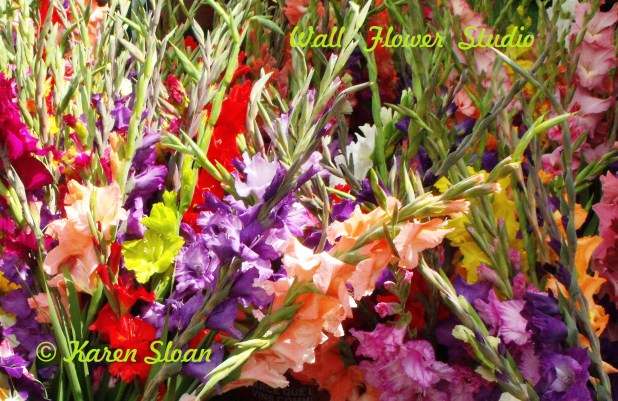 Having worked as a floral designer in Toronto for many years, I developed a love for gladiolas, despite the opinion of many who may look upon them only as flowers for funerals.
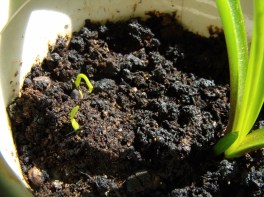
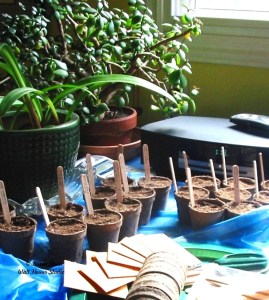
 A big welcome back, spring… you’re my favourite season of them all. You’re full of potential and a new start to another year in the garden. I can hardly wait!
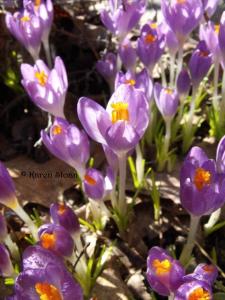
 The photos I’m sharing here are actually crocus pictures from last April. We still have much snow on the ground in my neck of the woods, but with the equinox on our doorstep there is light at the end of the tunnel!
 wallflowerstudiogarden.com