 If you grow lemon balm in the garden, also known simply as balm or sweet balm, you’re likely aware of this Mint family member’s many virtues.
Introduced from Europe, this perennial herb has erect square stems and stands about two feet tall. The whole plant is covered with a soft down, and if the foliage is touched, even as soon as it’s just emerging from the earth in spring, it offers an abundance of that sweet lemon fragrance it’s famous for.
The flowers, insignificant looking really to us humans, are a magnet for bees, so in that respect, not insignificant at all! The Latin name, ‘Melissa officinalis’ comes from the Greek word ‘Melissa‘, which translated literally means ‘bee‘.
According to folklore, apiarists of old would rub the leaves of lemon balm inside older hives, inducing new swarms to remain and take them over.
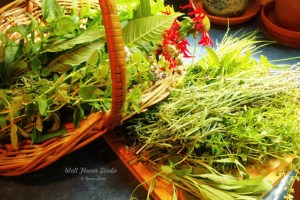 Lemon balm thrives in poor soil, (I can account for that), and thrives in both sun or shade.
In fact, thrive is an understatement. Like any mint, it is an aggressive and prolific plant. It will take over the whole garden and your lawn if you let it. I suggest planting any in a big pot, then sinking it in to the ground if you don’t want its thick runner roots to escape.
I can’t lecture anyone about that because it did escape in my garden. Now I have to keep it (somewhat) contained by mowing parts of it down, (which likely helps it spread), but that lemon scent wafting through the air as I cut the lawn smells divine!
This herb makes a lovely tea. Hot or cold, it can be used to flavour lemonade. Mixed with Chamomile, lemon thyme, and lemon balm, this soothing tea tastes wonderful. It can be very relaxing if one is feeling stressed. Adding a little honey will sweeten the mix, too.
It must be said however, if one is on any thyroid medication, lemon balm may interfere with thyroid hormone-replacement therapy. It’s best avoided in this case, and I hasten to add, always check with a doctor, pharmacist, or certified herbalist first.
According to Mrs. Grieve, lemon balm as a drink induces a mild persperation, makes a pleasant, cooling tea for feverish patients, and, if used with salt, can be used to ease gout.
 As most lemon flavours go, it’s especially nice with fish and pork. It also adds a light flavour to stews and soups. I’ve been drying this and many herbs, for a long time. Mixing them together with sea salt is an easy way to create a rub for meat, poultry, or in a salad. Steeping mints and lemon balm in vinegar, then straining is an easy way to create an herbal flavour to be used on salads, or in other culinary recipes. If you don’t like the flavour, it makes a nice hair rinse, leaving your locks shiny and healthy looking! Just don’t get any in your eyes. It will sting!
I harvest my lemon balm in the morning after the dew has evaporated, but before the high sun of the day. Use it fresh if you can, because that’s when most herbs are most potent in flavour, aroma, and qualities. Otherwise, it’s easily dried and if you harvest it before it flowers, but do leave some behind to encourage bees in the garden. Hung upside in small bunches to dry, it only takes a few days to do this, and when it’s crispy, break it all up and keep it in a jar for future use.
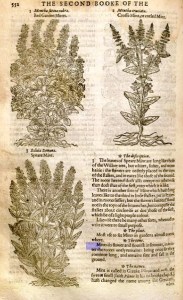 With regards to folklore, and in addition to Lavender, Mandrake, Deadly Nightshade, Cardamom, Plantain, Juniper, Saffron, and a host of other plants, the mint family members, including lemon balm, are considered Witches plants.
The sacred knowledge of these plants in particular were given by the Greek goddess Hecate to her daughters, Circe and Medea, and were considered consecrated herbs by this mythical trio.
According to Culpeper, ‘It is an herb of Jupiter, and under Cancer, and strengthens nature much in all its actions. Let a syrup made of the juice of it and sugar be kept in every gentlewoman’s house, to relieve the weak stomachs and sick bodies of their poor sickly neighbours: as also the herb kept dry in the house, that so with other convenient simples, you may make it into an electuary with honey.’
Flower language in folklore tells us that Lemon balm and the mint family equates with wisdom, virtue, and abundance. Customary in medieval times, peasants would ‘strew the churches with Mint or other herbs and flowers’ at funerals as a devotion to the Virgin Mary, where a poem from this custom illustrates it well
“Thou knave, but for thee ere this time of day
My lady’s fair pew had be streed full gay
With Primroses, Cowslips, and Violets sweet,
With Mints, and Marygold and Marjoram meet,
Which now lyeth uncleanly, and all among of thee.”
In the Abruzzi region of Italy, women who chanced upon sweet balm or mint would pick and bruise a leaf between their fingers as insurance for the day of their death, and that ‘Jesus Christ would assist them into Heaven.’
Gerarde stated about all mints, “It poured into the eares, taken inwardly against sea scorpions, serpents, and applied with salt, to the bitings of mad dogs.”
All very interesting! But, here’s hoping nobody’s path crosses with mad dogs, serpents or sea scopions.
Another suggestion, if like me, you grow way more herbs than you can possible use, and don’t like to see them  go to waste, make some kindling bundles. These take no time to put together and are nothing more than dried herbs rolled into bundles and tied with raffia, used as kindling or fire starters. – Perfect for that cottage camp fire in summer, all you have to do is harvest some herbs, including mint, lavender, thyme, marjoram, etc., tie them together and use when you need them. They offer a lovely scent with which to light a fire, or, as an offering to the gods if you’re feeling particulary Witchy under a full moon.
With all of the information above, I may have either encouraged people to grow lemon balm and other mints, or totally scared them off! However, they are such useful herbs and I recommend anyone growing them in the garden.
As I sit here looking wistfully out the window, observing the three feet of snow still covering my yard, I’m actually looking forward to cutting the grass this year, and inhaling that lovely lemon scent.
References
- The Herb Garden Guide – ERIC ED242477 – Lathrop E. Smith Environmental Education Center
- The American Herbalist Guild – Pub Med and additional resources
- The healthy life beverage book – Knaggs, H. Valentine, University of Leeds. Library, 1911
Publisher, London : C.W. Daniel - A Modern Herbal, by Mrs. M. Grieve, 1931
- Nicholas Culpepper. The Complete Herbal at Project Gutenberg
- Cyclopedia of practical floriculture, by Turner, Cordelia Harris, 1884
- Herb magic, by United States Department of Agriculture. Radio Service, 1944
- Plant lore, legends, and lyrics – by Folkard, Richard, 1884
- The Herball, or, Generall historie of plantes /gathered by John Gerarde of London, master in chirurgerie. by Dodoens, Rembert,; Gerard, John,; John Norton.; Priest, Robert, 1597

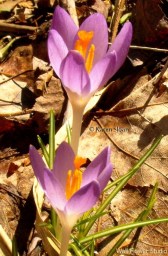
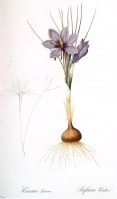

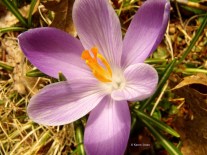
 Shown on frescoes dating from 1700 B.C., it’s no wonder this flower has been cultivated and harvested since ancient times in the Middle East, North Africa, India, and throughout the Mediterranean region.
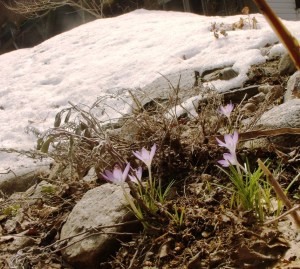 Hill, Everett Merrill, 1909, pg. 10 –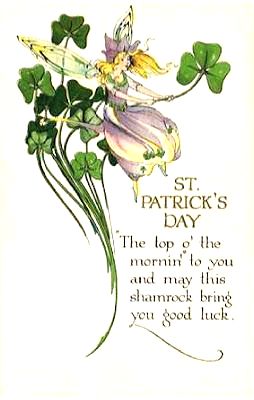
 By the same token, a clover with three leaves has symbolism, too. According to Pliny, it’s connected to the Holy Trinity. In addition, clover was used to make a salve against snake bites, since snakes represented Original Sin, and encouraged by that dastardly serpent in the Garden of Eden. Here, each leaf represents a good deed. In this case:
 Several years ago, I was lucky enough to find a four-leaf clover. I pressed it between the pages of a book, and since then its sat, on one of the bookshelves in my house. Now that I’m writing this post, I’ll have to search for it.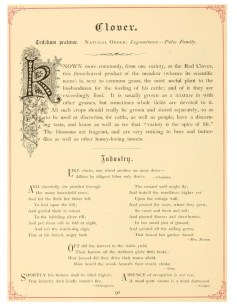
 When it comes to vermicomposting, earthworms will do the ‘dirty’ work for you.
 Castings are also rich in humic acids. This soil conditioner offers a perfect pH balance. It contains plant growth factors similar to seaweed. What could be better for your garden?


 wallflowerstudiogarden.com