Forage for Borage – A historic and useful herb for any garden

Borage flowers – A true blue addition to any garden!

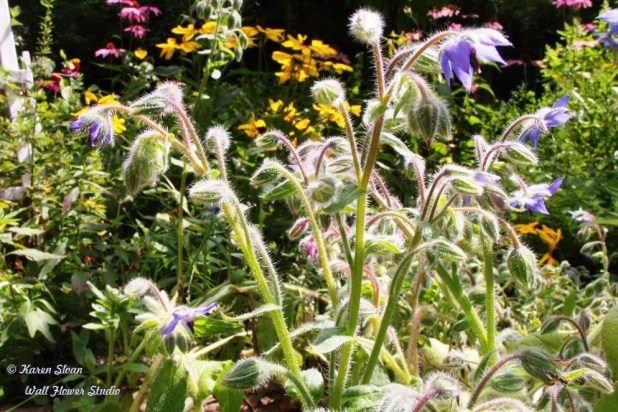
This herb with its star-shaped flowers is not only beautiful, but extremely useful!

I’ve always felt this plant was underrated in our gardens, unlike in the past where its qualities were highly valued.

Admiring them as one would any species with a historical pedigree, this heirloom has been cultivated since (at least) the 1400s, and the folklore they encompass states just how much borage was valued.

It was said to bring courage to one’s heart. “Borage for courage” as the saying goes. Ancient Celtic people believed borage offered courage in the face of enemies on the battle field. How extraordinary!

In our modern times the quote should be renamed “Forage for Borage” 😉  As a courageous companion plant, it’s known to repel hornworms on tomatoes, offering this plant a serious if not fashionable comeback.

Borage may be considered an annual herb where I live, but it self seeds easily and appreciates any extra warmth offered by the raised beds in our yard. They’ve settled in quite happily!

The dainty flowers are edible, offering a slight cucumber-like flavour. Use them in soups, salads, sandwiches, or as a substitute for spinach (stuffed into traditional pasta), or as a pretty garnish on the plate. A friend of mine uses them to flavour her pickles, while another makes teas and assorted iced drinks with them. In addition there’s a recipe for a simple syrup at the end of this post.

Thankfully Borage is not a fussy plant and grows well in most soils. I’m happy to report that deer avoid Borage like the plague, likely due to its fuzzy leaves. A real plus in many a gardener’s mind!
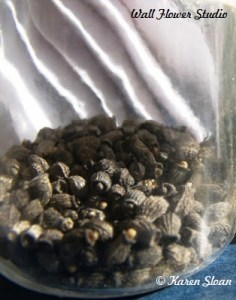
If you like to save and share, Borage seeds are easily harvested, or leave them to self sow.

Every year you can look forward to them gracing the garden once again.

Those showy little blue star-shaped flowers attract bees, butterflies, and all sorts of good pollinators. They’re a wonderful addition to anyone’s garden!

Note:

  1. When planting Borage seeds, the best time to do this is in spring, after any remaining chance of frost. Soak the seeds first in wet paper towel overnight, and then sow them directly into the garden, but not too deep, as half an inch will suffice.
  2. Borage will grow to a height of 2- 3 feet.
  3. The oil from Borage seeds is highly valued and plants are now commercially cultivated for skin care products and other items. It’s one of my favourite go-to ingredients for use in my own products.
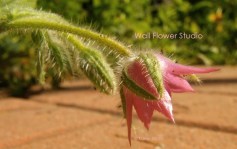
  4. If you see some of your flowers are pink, then there is likely a deficiency in your soil. Below is a photo from a couple of years ago. I’ve since discovered this is a common site if Borage is growing in dry, gravelly soil. To fix this, simply add some triple-mix or compost. The pink is actually quite pretty, and Borage may even offer white flowers from time to time.
Recipe: Borage Simple Syrup

This simple syrup offers up a light cucumber flavour.

1 cup water
2 cups sugar
1/2 cup borage flowers

– Bring the sugar and water to simmer, until all the sugar has dissolved.
– Add the flowers, simmer for 2 -3 minutes and remove from heat
– Let this steep for at least 2 hours before straining.
– Keep this in the refrigerator and use within one month.
– Makes about 1 & 1/4 cups

It’s the perfect addition to a summer cocktail.. Enjoy!

Happy Gardening! 🙂
 

Upcoming art and gardening related workshops

Wall Flower Studio is offering two distinctly different upcoming workshops!

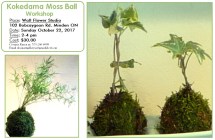
  1. Kokedama moss ball workshop

Based on ancient Japanese art, the literal translation of Kokedama is ‘moss ball’.
Kokedama is essentially any plant wrapped in moss and doesn’t require a container. The moss is the container!
Once created, Kokedama can sit anywhere or be hung from string.
Perfect for small spaces, as a table decoration, on the a windowsill, or hanging above one, this living art will enliven any living/office space.
Join Karen on Sunday October 22 to make and take home your very own Kokedama!
All supplies provided! Fee: $30.00


2.  Papier-mâché Animal Workshop

Interested in learning the art of Papier-mâché?
Join Karen for a fun-filled adventure & learn how to create your own 3D animal sculpture! (*There are 2 spots left)

It’s fun, messy, and it’s a 3 date class… One to build, one to cover with papier-mâché, and one to paint.

Dates: Sunday Oct. 29th + Sunday Nov. 5th + Sunday Nov. 12th. (2-4 p.m.)
Fee: $90.00 .. break it down to only 30 bucks per week. A great price for a fun class.
Come create, and don’t forget to bring along your inner child!


Please r.s.v.p. for either (or both) workshop(s) to: 705.286.6999sloanartgallery(at)gmail(dot)com (or) at Wall Flower Studio on Facebook.

Wall Flower Studio is located at 102 Bobcaygeon Rd. – Minden Ontario. (Directly across from the CIBC) – Please see map here on our website. Thank you!

Succulent container garden workshop at Wall Flower Studio

Succulent  Container Workshop – Saturday May 13th, 2017

Succulents come in an amazing array of colours and textures. Combining them in an unusual container for indoors or out is fun and easy to do.

In this workshop, participants will receive instructions, guidance and all the supplies to create a succulent garden in an unusual container to take home and nurture!
Make one as a gift for your mom, or keep it for yourself. 🙂

Class size is limited to 6 participants due to space requirements at the store.

– Date: Sat. May 13th at 3:30 – 4:30 pm
– Place: Wall Flower Studio – Minden Ontario
– Fee: 25$
– Please rsvp by May 9th. Thank you!

For more information, contact Wall Flower Studio at:  sloanartgallery (at) gmail (dot) com  -or-  705-286-6999 


*** Update: This workshop is now full. However, I’d be happy to hold another similar class on May 14th, (Mother’s Day) – Please get in touch if you’re interested – we’ll set something up! Thank you, Karen.

DIY Infused Calendula Oil – An at home apothecary skin care treatment to create for yourself!

Making your own Calendula infused oil is very easy to do!

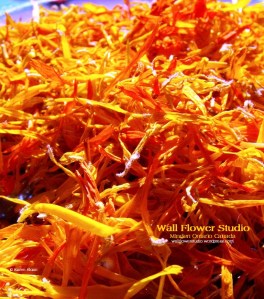
calendula-oil-in-progress-wfsWinter especially saps the moisture out of our skin. Creating an oil from the petals of Calendula officinalis, otherwise known as pot marigold, is the perfect strategy when you want to combat the drying effects of this harsh season.  By following the steps below,  you can have your very own batch of skin care in no time at all!

Here is what you’ll need:

  • Dried, organic calendula flower petals
  • A carrier oil (I prefer Safflower oil, but Olive oil or Sunflower oil work well, too.)
  • A glass jar with lid. Make sure to clean it first!

infused-rose-calendula-oil-at-wall-flower-studioHere is how to do it:

  • Fill the jar about 2/3 full with the dried petals.
  • Next, slowly poured the oil over the petals, making sure they’re all submerged
  • Wait 4-6 weeks so all the goodness of the calendula is infused into the oil.
  • Store the jar in a warm dry spot for the infusion to occur. Before you know it, you’ll have your very own homemade infused Calendula oil, too.
  • Once the 4 weeks are up, strain the flowers out and there you have it… Your very own homemade Calendula oil.
  • Use the soaked flower petals as a foot scrub before discarding. Mix a handful of the petals with a cup of sea salt and scrub away.

calendula-wfs-fbCalendula oil is great to use after a bath or shower. It seeps in without feeling overly oily, making skin feel very soft and supple.

Apply it topically where needed.

I use it as a key ingredient in my lip balms, salves and other bath products.

*For more information on Calendula visit the: University of Maryland Medical Center

Feel free to get creative. Have fun and enjoy!

Sharing our DIY Moth repel bag recipe, plus other handy household uses for herbs

lavender-sachets-moth-repel-dryer-bagsWe’re sharing a few fragrant, old time herbal potpourri recipes you can create for everyday household use. These are  remedies that have stood the test of time. No chemicals required!

To make a Moth Repel Bag, use a muslin or organic cotton drawstring bag which allows the scent of the herbs inside to circulate without restriction.  The herbs I’ve suggested (below) are pleasant for people, but not moths! The sachets help to keep wool, angora, cashmere, and other natural animal hair fibres safe.

In all actuality, herbs do not repel moths, but rather mask the scent of most natural fibres, keeping them safely disguised from unwanted visitors.


Mint Moth Chase-Away
2 cups of dried mint, either spearmint or peppermint
1/3 cup of dried rosemary
1 cup dried Thyme
1/3 cup of ground cloves


Cedar Shaving Chaser
2 cups of cedar shavings
1/2 cup of Lavender
1/2 cup of wormwood
1/2 cup of ground cloves


Lavender  (Old French recipe)
2 cups of Lavender
1/2 cup of pennyroyal
1/2 cup of ground cloves
1 cup of dried thyme


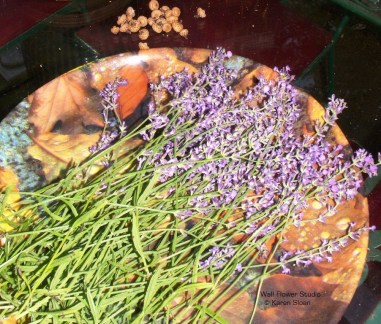
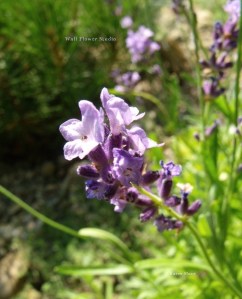
last-of-the-lavender-harvestLavender is my ‘go-to’ herb. I’ve been known to pop a couple sachets inside the hockey skates and work boots that accumulate around our house. 😉

Sachets can also be thrown in the dryer, which will lightly scent your sheets & towels. Just give them a good squeeze after each use to release the oils from the flowers, which is what offers that lovely aromatherapy scent. The bags can be used this way, about a dozen times before the florets start to get a bit icky. Then you know it’s time to compost them, bag and all! : )

Other herbs said to ward off moths include Tansy, Sage, Santolina, and Southernwood.
* Pet owners take note: Pennyroyal is also said to repel fleas.

Have a lovely weekend! ~ Karen

Wall Flower Studio business logo square