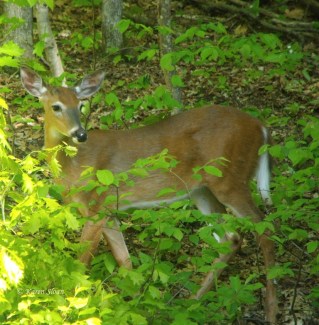
 Have you heard of ‘Forest Bathing’?
Forest bathing is a holistic practice focusing on our ecological health. It aligns with our fundamental need as sentient beings to interact with nature.
While studying the benefits of Biophilic design a few years ago, along with vertical gardens and terrariums, I discovered this delightful concept.
Forest bathing is an activity that can reduce anxiety, depression, and boost the immune system.
It doesn’t matter whether this is done during a ten minute break at work, or when a whole day is spent roaming through a provincial park. The simple act of observing nature offers positive mental and physical benefits to our wellbeing.
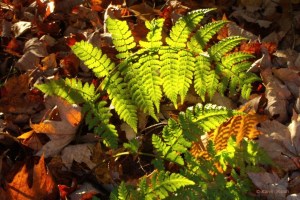 Being fortunate as I am, residing in a place surrounded by forests, my experience with this concept is not unlike that of a sponge – best served soaking up all of the goodness nature offers for free.
Originating in Japan during the 1980’s, and known there as ‘Shinrin-yoku’, the translation means either, “taking in the forest atmosphere” or “forest bathing”. Already cornerstone of preventive health care in Japanese medicine, it’s becoming known to health practitioners here in North America, too. They are beginning to see the practical use of forest bathing as a prescription for healing, helping patients by connecting them back to nature.
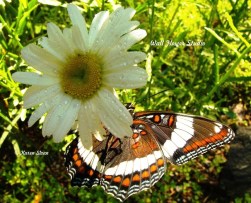 Akin to the practices of horticultural, animal, and art therapies, forest bathing is a sensory-based activity. In partnership with mindfulness and a green-space, it’s a tool to help us connect with the natural world. By slowing down even just for a while, we focus our attention on the beauty around us.
If only temporarily, forest bathing removes the daily distractions and stress caused by our manufactured schedules and hectic lives. Studies have shown that the aroma from certain trees in a forest has healing powers.
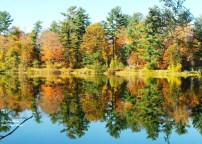 Forest therapy has a lasting effect on our wellbeing, lingering long after that walk in the woods.
Usually, a session entails a quiet, slow-paced walk. A group of people mindfully meander, immersed in the forest, engaging with nature, using all five of their senses.
This tempered walk is not the same as hiking. The goal is not about breaking a sweat, or hurriedly trudging on towards a specific destination.
 Besides, who knows what one might come across whilst contemplating the trees and the forest? 🙂
In conclusion, I’m currently immersed in learning how to be a forest guide. I’ll be offering a forest bathing session in Haliburton Ontario this spring.
For more information, or ff you would like to sign up for this forest therapy session, (held on Saturday, May 25th, 2019), please RSVP on Facebook – event listed -> HERE (Or) at our Eventbrite listing.
Thank you!
 Forest bathing links:
- Forest Bathing International
- Therapeutic Landscapes Network
- Gift of the Forest
- Nature Therapy
- Natural Thinking: Investigating the Links between the Natural Environment Biodiversity & Mental Health – PDF
- Dame Judi Dench: My Passion for Trees
- ASLA – Health Benefits of Nature
Questions? Please feel free to get in touch through the contact form below. Thank you!


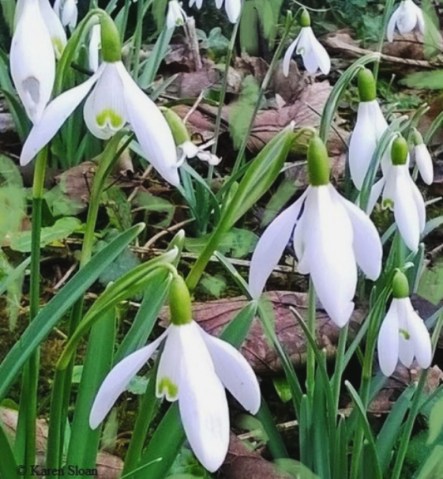

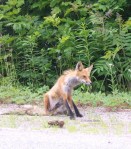

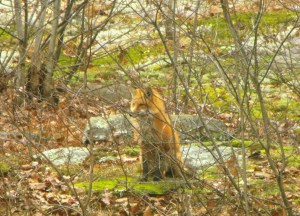
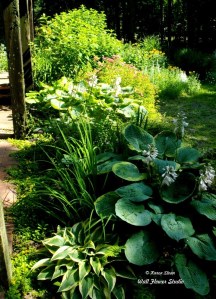

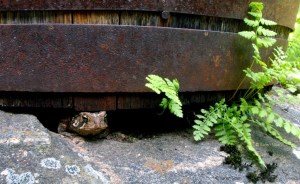
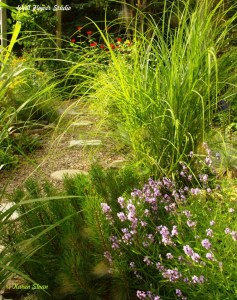
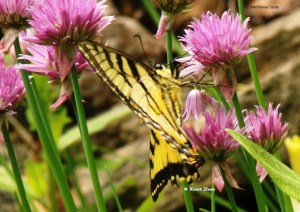 When we strike a balance with nature, creatures of all shapes and sizes with whom we share our neck of the woods all benefit, so it’s a win-win!
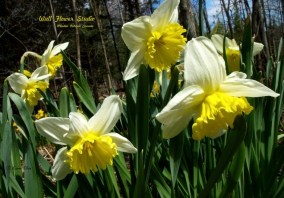 Spring is an ideal time to embrace local biodiversity. We gardeners can see the effects of our handiwork in our own plots.
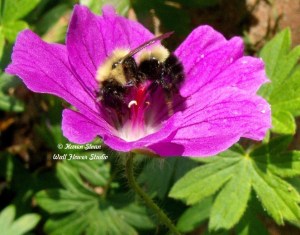 80 percent of food crops grown around the world require pollination and that’s mainly done by the hardworking bee. Unfortunately
  Millions of bees have died and this disturbing occurrence is not just taking place in North America, but all over the world. Because of this, it’s crucial that we gardeners plant our plots to ensure the survival of the bee. We can offer them a safe haven from chemicals, and considering just how important they are with respect to our food supply, the consequences could be devastating to say the least, so our help no matter how small is vital.
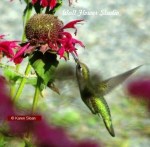 We can help by offering bees, and other pollinators, plants that are attractive to them when foraging for food. Consider growing bee balm (
 The same gardening practices that attract and help wildlife also improve our air, water and soil quality. The benefit goes beyond our gardens, and it only takes a few plants and some forethought to create these habitats.
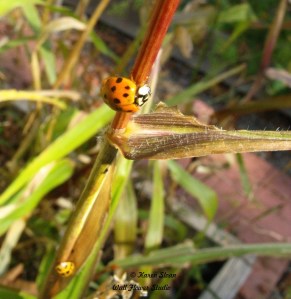 If you’re ambitious, consider selecting a wide variety of plants that provide blooms from early spring into late fall. Hummingbirds happen to prefer red tubular flowers and will visit all season long for them. Butterflies are usually drawn to more
  With very little maintenance, the garden will be a welcome haven for all kinds of
  wallflowerstudiogarden.com