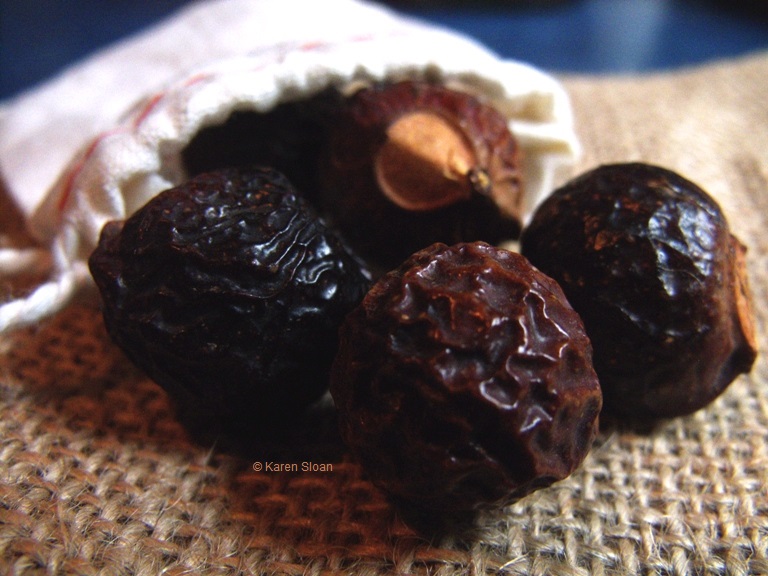
Soap Nuts – Nature’s Laundry Detergent!

Soap nuts at Wall Flower Studio

The botanical name of a soap nut is Sapindus Mukorossi. They’re not actually a nut, but a berry! Grown and harvested India, they’re a completely renewable product. Soap nuts contain saponin, a natural detergent used for cleaning clothes and other washables.

When I first read about them,  admittedly I became very curious to learn more, and was determined to try them. To be honest, I figured they’d turn out to be nothing more that snake oil and that I was likely throwing  my money away, but that was just not the case… They really work.

Just a few nuts can be placed in a cotton drawstring bag in with a wash-load and reused several times. Soap nuts are safe for washing silk, woolens and other delicate fabrics.

One small cotton bag of soap nuts will clean 5 – 7 loads of laundry. The soap nuts end up somewhat mushy and turn a grey-ish colour when they’ve reached the end of their washing ability. Simply compost them, bag and all. I chuck them right into my raised bed gardens.
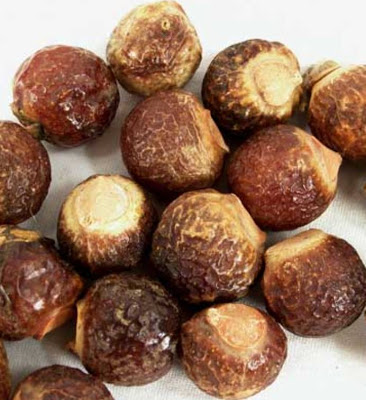
soapnuts WFSSoap nuts have many benefits to detergent. First of all is the clean and very fresh scent! Most notably however is the fact that soap nuts are one of the best ‘detergents’ to use in a front loading High Efficiency machine. Since they create a very low amount of suds, they can help keep your machine running very efficiently. They also aid in removing odours that can develops in the front loading washing machines. They’re also easier on a septic system. Another reason I was so keen to try them out.

Soap nuts are 100% natural, certified organic, chemical-free, fragrance-free, biodegradable and hypoallergenic. Because they are considered hypo-allergenic, they are not likely going to irritate sensitive skin.

Directions:

Add 1/2 oz. soap nuts (4-6 berries) in a unbleached muslin wash bag with a drawstring.

Simply tied it shut and tossed it in washing machine. That’s it!

The bag can be used at least 5-6 times, and then chucked into the composter

Note: For really stubborn stains, presoaking the bag for a few minutes will release the saponin (the active ingredient). Then the whole bag of soap nuts can be scrubbed on the stain, helping to release dirt from your clothes.

I like using them so much that I offer them for sale in my shop! If you’d like to know more,  stop by the store next time you’re in Minden. Alternatively, we ship worldwide.

Happy Laundry!
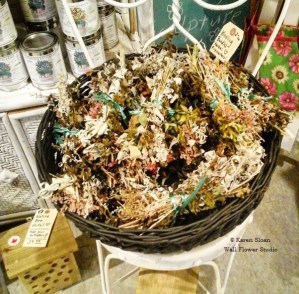
Scented kindling bundles – Herbal fire starter DIY for campfires and cold nights

Herbal Kindling bundles

Kindling bundles

Herbal fire starters are the perfect way to start the fireplace or wood stove  roaring on those cold winter nights.

They’re a splendid way to incorporate the summer garden into a winter holiday tradition!

Use them to light those bonfires and campfires too, as the burning herbs help repel pesky mosquitoes and other insects.

I like to tie one on a bottle of wine, as they make a great addition to any hostess gift!

All kinds of herbs and dried plant material can be incorporated into these bundles.

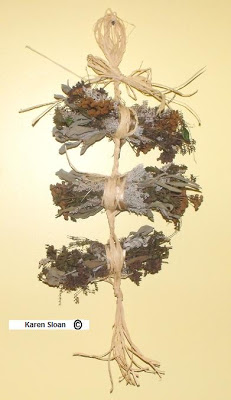
3 tiered Kindling Bundle WFS blog

braided bundles

Many herbs can be dried and used in kindling bundles, including Sage, Oregano, Thyme, Lavender, Marjoram, Mint, Lemon balm Tansy, Savory, Artemisia, boxwood, Statice flowers, Echinacea, Yarrow, black-eyed Susan seed heads, and even dried licorice plant stems from the hanging baskets.

Simply layer different dried herbs together and tie them with raffia. They can also be braided and hung on the wall, waiting to be used.

I especially like using Lemon Thyme in my bundles. It smells so nice! Again, simply dry it flat on an old tray. Same thing goes for Sage, but hanging it up to air dry works well, too.

When it’s time to clean up the garden, take a good look at what can be used from your own garden to create these easy DIY bundles, and save yourself taking it to the landfill!

Happy bundling!


Twigs and moss and birch, oh my! DIY miniature furniture for Fairy gardens!

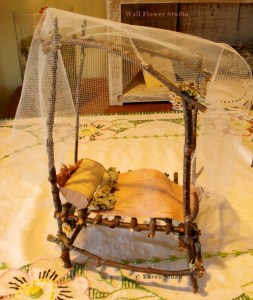
Fairy bed with canopy - Karen Sloan - Wall Flower StudioCreating miniature twig furniture has become quite the creative outlet for me. These wee pieces are a lot of fun to make! They add just the right magical touch to a miniature fairy garden.

All you need is a glue gun, some branches, a bit of moss,  acorns, and other little found bits, then you’re off to the races. In fact, half the fun is foraging for the materials, and if you have kids, it’s a fun nature activity that everyone will enjoy!

This photo shows a wee canopy bed I made. A few inches of white tulle for the top and voila! It seemed to add just a little touch of charm! The matching ‘duvet’ and ‘pillow case’ are made from matching birch bark. Have to add, I mainly use found items from the forest floor.

If you’re interested in viewing some of my sold pieces to get ideas, please feel free to visit my Flickr photos.

Happy foraging!

DIY floral apothecary tub soaks

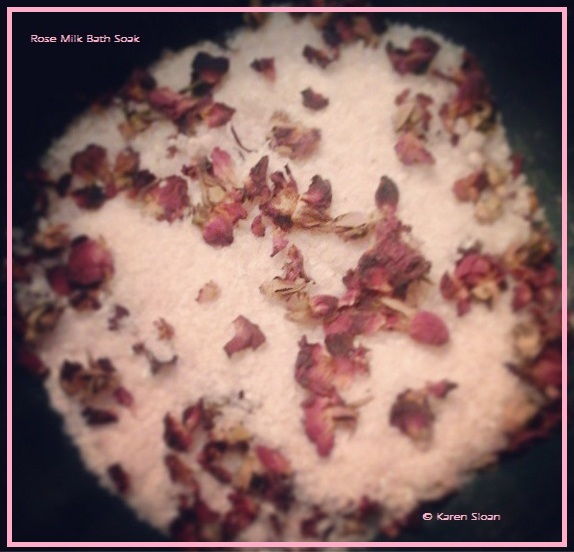
Rose Milk bath soak - Wall Flower Studio

I think most gardeners are somewhat crafty people, and if you grow herbs in your garden and if you like to dry and store them, why not make your own herbal tea bath bags?

I’ve been doing it for years, and thought maybe it would be something interesting to share with everyone.

My Grandma always used Epsom salts, speaking highly of their virtues. Being a bath person myself, I started adding Epsom salt, sea salt, and various dried herbs in muslin bags, tying the bag to the tap as the bath water runs through it.

Relax all your cares away in a hot bath with all the essential ingredients contained in these bags. It’s especially nice after a long day in the garden.

Dried lavender flowers release essential oil and fragrance into the bath. The sea salts dissolves and works to relax tired and sore muscles. Milk powder dissolves to condition skin.

The best thing is that rejuvenated feeling after a good soak. There is no mess of dried flowers to clean up – just pick the tea bag up to discard. I put mine in the composter.

Rose Bath Tub Tea packets - Wall Flower Studio

You can buy empty tea bags, fill them with herbs and iron them shut! I love the fact that you can choose your own natural ingredients. Nothing harmful to the body or the environment.

Lavender, mint, sage, basil, chamomile, or anything that strikes your fancy, can be added, then ironed shut and tossed in the bath! It’s that easy.

Here’s a recipe I’ve used for many years. Hope you enjoy it too!

You’ll need…

~1 muslin bag (or) empty heat sealed tea bag or pretty jar with lid.

~ Some dried herbs: lavender, rosemary, rose hips, chamomile, rose petals, dried orange or lemon peels

~ 1/2 cup Epsom Salts

~ Blender

~ 1 tablespoon of Dried milk powderBath salt soaks in coloured apothecary jars Wall Flower Studio

~1/4 cup Dead Sea Salts

~ Essential oil of your choice (Just a couple of drops)

~ Olive Oil or Safflower oil (Just a couple drops)

Directions:

~Mix the dried flowers/herbs in the blender which helps to release their essential oils.

~Add a few drops of essential oil with a half cup of Epsom salts.

~Mix well and fill your muslin cotton sachet or tea bag and seal it.

~Hang the muslin bag from the spigot on your tub, or just float the bath tea bag in the tub for a few minutes before you get in. It’s that easy! Enjoy!

If you’d like to try some, but don’t have the ingredients or the time, please feel free to visit my Etsy shop where I have Bath Tea Spa bags available, and many other great gifts from the garden. Wall Flower Studio ships worldwide. Thank you!

Happy bathing! 🙂


Succulents and moss – Perfect for any container!

Conch shell with succulents and Irish moss

Seashell with succulents and moss

Succulents and moss just seem to go together like peas & carrots! It’s just as fun finding unusual containers as it is to plant them up!

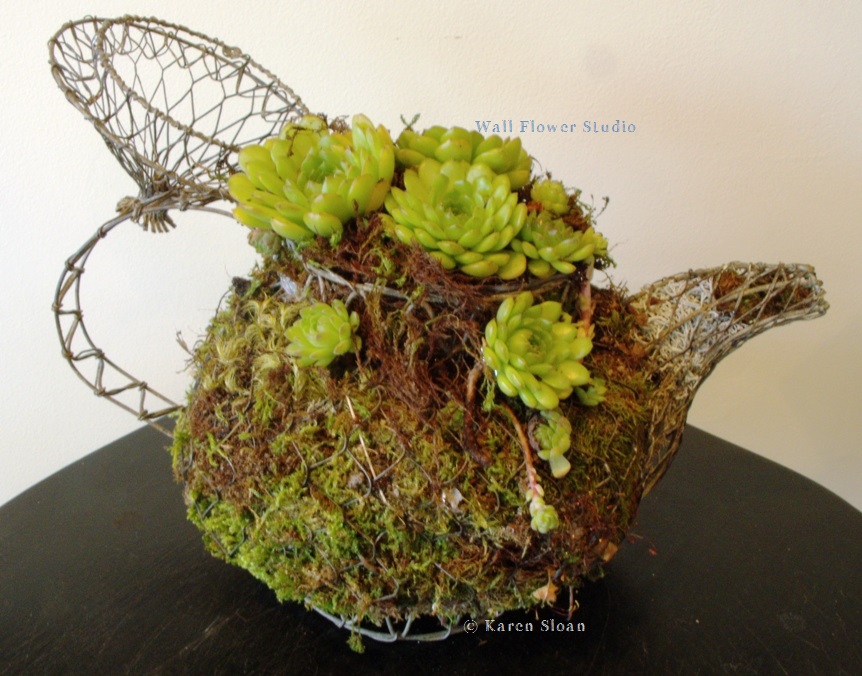
Succulents in Wire teapot at Wall Flower Studio

Wire teapot with moss & succulents

Thanks for stopping in! Have a great weekend.