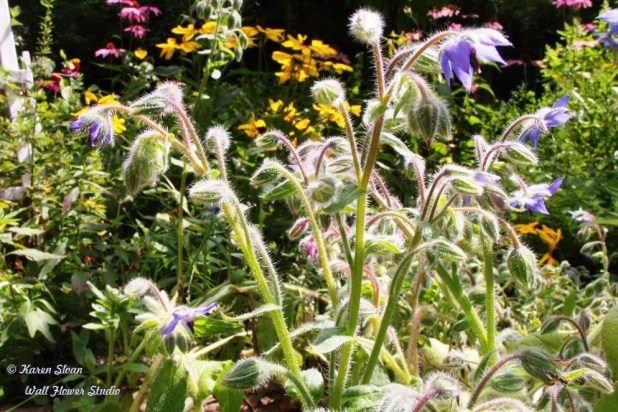
Borage flowers – A true blue addition to any garden!
 This herb with its star-shaped flowers is not only beautiful, but extremely useful!
I’ve always felt this plant was underrated in our gardens, unlike in the past where its qualities were highly valued.
Admiring them as one would any species with a historical pedigree, this heirloom has been cultivated since (at least) the 1400s, and the folklore they encompass states just how much borage was valued.
It was said to bring courage to one’s heart. “Borage for courage” as the saying goes. Ancient Celtic people believed borage offered courage in the face of enemies on the battle field.  How extraordinary!
In our modern times the quote should be renamed “Forage for Borage” 😉 As a courageous companion plant, it’s known to repel hornworms on tomatoes, offering this plant a serious if not fashionable comeback.
Borage may be considered an annual herb where I live, but it self seeds easily and appreciates any extra warmth offered by the raised beds in our yard. They’ve settled in quite happily!
The dainty flowers are edible, offering a slight cucumber-like flavour. Use them in soups, salads, sandwiches, or as a substitute for spinach (stuffed into traditional pasta), or as a pretty garnish on the plate. A friend of mine uses them to flavour her pickles, while another makes teas and assorted iced drinks with them. In addition there’s a recipe for a simple syrup at the end of this post.
 Thankfully Borage is not a fussy plant and grows well in most soils. I’m happy to report that deer avoid Borage like the plague, likely due to its fuzzy leaves. A real plus in many a gardener’s mind!
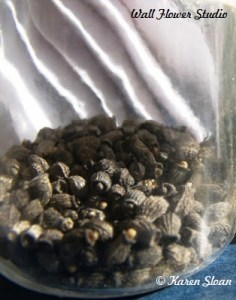 If you like to save and share, Borage seeds are easily harvested, or leave them to self sow.
Every year you can look forward to them gracing the garden once again.
Those showy little blue star-shaped flowers attract bees, butterflies, and all sorts of good pollinators. They’re a wonderful addition to anyone’s garden!
Note:
- When planting Borage seeds, the best time to do this is in spring, after any remaining chance of frost. Soak the seeds first in wet paper towel overnight, and then sow them directly into the garden, but not too deep, as half an inch will suffice.
- Borage will grow to a height of 2- 3 feet.
- The oil from Borage seeds is highly valued and plants are now commercially cultivated for skin care products and other items. It’s one of my favourite go-to ingredients for use in my own products.
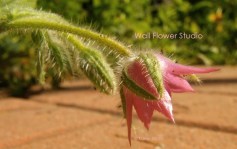
- If you see some of your flowers are pink, then there is likely a deficiency in your soil. Below is a photo from a couple of years ago. I’ve since discovered this is a common site if Borage is growing in dry, gravelly soil. To fix this, simply add some triple-mix or compost. The pink is actually quite pretty, and Borage may even offer white flowers from time to time.
Recipe: Borage Simple Syrup
This simple syrup offers up a light cucumber flavour.
1 cup water
2 cups sugar
1/2 cup borage flowers
– Bring the sugar and water to simmer, until all the sugar has dissolved.
– Add the flowers, simmer for 2 -3 minutes and remove from heat
– Let this steep for at least 2 hours before straining.
– Keep this in the refrigerator and use within one month.
– Makes about 1 & 1/4 cups
It’s the perfect addition to a summer cocktail.. Enjoy!
Happy Gardening! 🙂
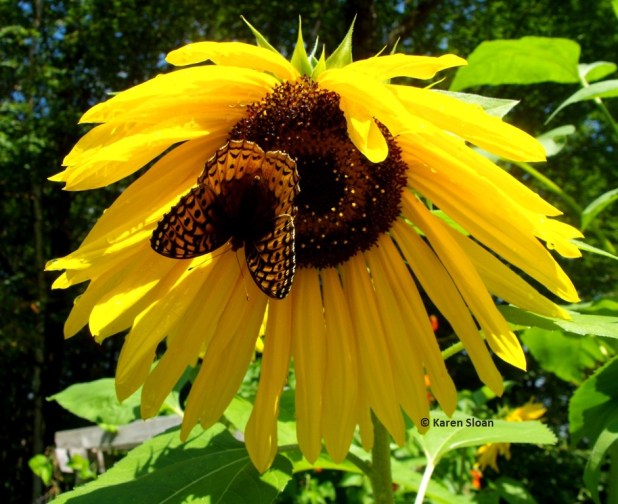
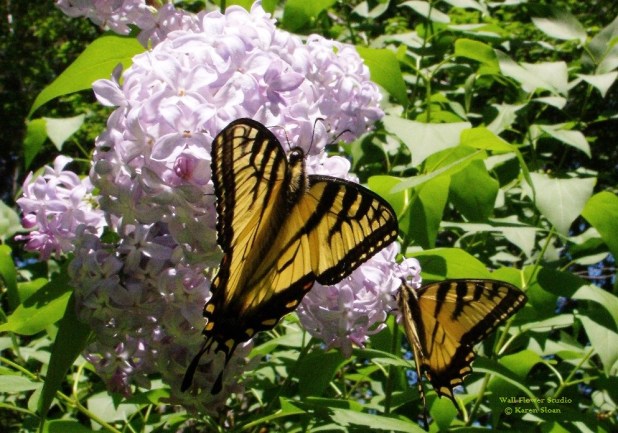 “Happiness is a butterfly, which when pursued, is always just beyond your grasp, but which, if you will sit down quietly, may alight upon you.” ~ Nathaniel Hawthorne


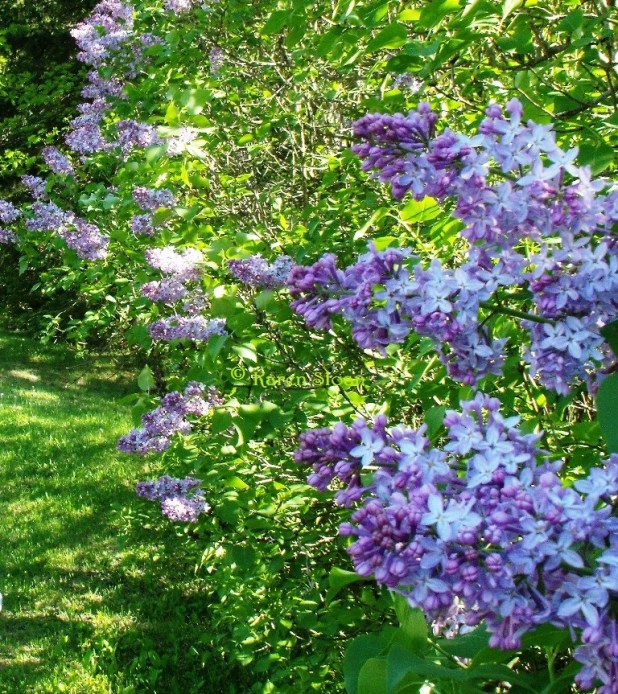


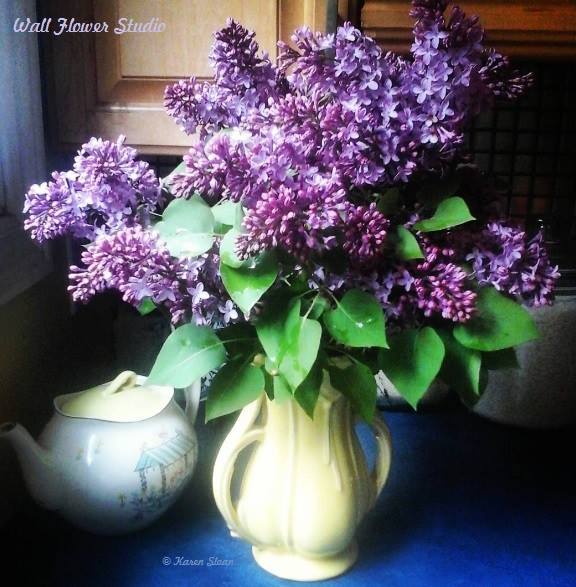
 I would say to anyone, cut some lilacs, bring them in the house and put them in a vase. The heady scent of spring and early summer will linger lightly in any room you choose.