 Proud to be taking part in the 10th anniversary of
 #earthhour – Many people are shining a light on climate change by switching off their lights.
This is a bandwagon we can all be proud to jump on!


Proud to be taking part in the 10th anniversary of #earthhour – Many people are shining a light on climate change by switching off their lights.
This is a bandwagon we can all be proud to jump on!
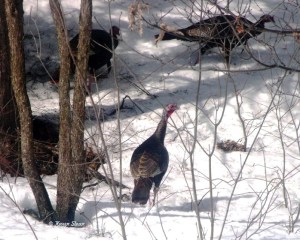 We had five turkeys wander through our yard today. They were spread out along the hill behind our house so unfortunately I wasn’t able to get a group photo.
There were only four visitors last week, so someone new (to me) has decided to join this group somewhere along the way! Safety in numbers, I suppose.
Maybe next week there will be six!
Consider this post the opposite of an Agatha Christie novel where members of her groups declined instead. 😉
With the proper amount of sunlight, basil (pictured here), and other culinary herbs can be grown year round on a windowsill.
The ability to pinch fresh foliage from herbs grown in my kitchen for flavouring recipes during winter months has become less of an experiment and more of a necessity in our house!
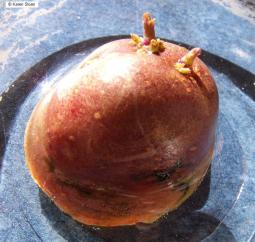 Beyond that, there are many simple gardening experiments people of all ages might enjoy. Many of us may recall planting bean seeds in cup with wet paper towel during grade school in an effort to see how they’d grow.
When the mood strikes, I plant seeds from fruits and veggies purchased from the grocery store, especially during winter, just to see if anything will happen!
That’s where the potato in the photo comes in. I simply cut it in half and placed it on the dish in a bit of water. Since it’s actually sprouting, I’ll go a step further this spring and plant it outside in a container to see if it will produce an actual crop!
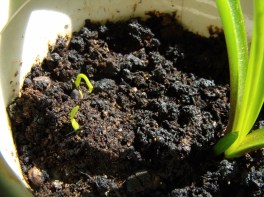 The other picture here is a container by our kitchen sink where I’m growing Amaryllis seedlings.
A few weeks ago I was enjoying some of the sweetest of Clementine oranges from Spain. Those delicious fruit had many seeds in them so I (somewhat mindlessly), stuck a few seeds into the soil. In all honesty, I completely forgot about them until I went to water my plants the other day. I saw the sprouts emerging and was absolutely tickled. Next thing you know I began to envision a lush tree full of those lovely fruit growing in my dining room, and me plucking them at will off the branches. Talk about an active imagination!
However, with a positive outlook and an open mind, I’ll likely continue experimenting with these kinds of benign windowsill gardening trials, and encourage my fellow gardeners to give them a try, too!

May you live as long as you want, And never want as long as you live.
~ Irish blessing
Wikipedia offers a host of ‘lucky symbols’ from various cultures here, if you’re so inclined!
Happy St. Patrick’s Day
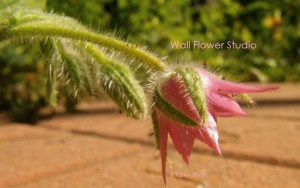
 Borage flowers offer a lovely shade of true blue in the garden.
This herb and its star-shaped flowers are not only beautiful, but extremely useful! I’ve always felt this plant was underrated in our gardens, unlike the past where its qualities were highly valued.
Admiring them as one would any species with a historical pedigree, as an heirloom, cultivated since at least the 1440s, the folklore they encompass states just how much borage was valued. It was said to bring courage to one’s heart. “Borage for courage” as the saying goes. Ancient Celtic people believed borage offered courage in the face of enemies on the battle field. 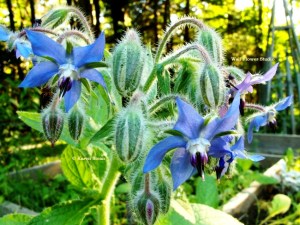 How extraordinary!
Back to our modern times, it’s a courageous companion plant, known for repelling hornworms on tomatoes, offering this plant a serious, if not fashionable comeback.
Borage may be considered an annual herb where I live, but it self seeds easily and appreciates any extra warmth offered by the raised beds in our yard. They’ve settled in quite happily!
The dainty flowers are edible, offering a slight cucumber-like flavour. Use them in soups, salads, sandwiches, or as a substitute for spinach (stuffed into traditional pasta), or as a pretty garnish on the plate. A friend of mine uses them to flavour her pickles, while another makes teas and assorted iced drinks with them.
 Thankfully Borage is not a fussy plant and grows well in most soils. I’m happy to report that deer avoid Borage like the plague, likely due to its fuzzy leaves. A real plus in many a gardener’s mind!
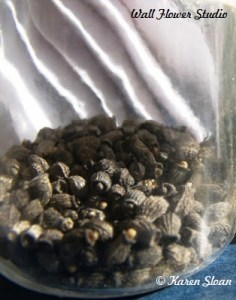 If you like to save and share, Borage seeds are easily harvested. Ore, leave them to self sow and every year you can look forward to them gracing the garden once again.
Those showy little blue star-shaped flowers attract bees, butterflies, and all sorts of good pollinators. They’re a wonderful addition to anyone’s garden!
Note:
 Happy Gardening!

