With the proper amount of sunlight, basil (pictured here), and other culinary herbs can be grown year round on a windowsill.
The ability to pinch fresh foliage from herbs grown in my kitchen for flavouring recipes during winter months has become less of an experiment and more of a necessity in our house!
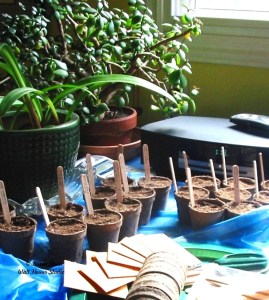
 Beyond that, there are many simple gardening experiments people of all ages might enjoy. Many of us may recall planting bean seeds in cup with wet paper towel during grade school in an effort to see how they’d grow.
When the mood strikes, I plant seeds from fruits and veggies purchased from the grocery store, especially during winter, just to see if anything will happen!
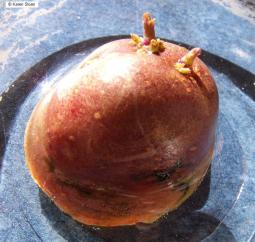
That’s where the potato in the photo comes in. I simply cut it in half and placed it on the dish in a bit of water. Since it’s actually sprouting, I’ll go a step further this spring and plant it outside in a container to see if it will produce an actual crop!
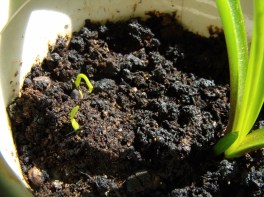 The other picture here is a container by our kitchen sink where I’m growing Amaryllis seedlings.
A few weeks ago I was enjoying some of the sweetest of Clementine oranges from Spain. Those delicious fruit had many seeds in them so I (somewhat mindlessly), stuck a few seeds into the soil. In all honesty, I completely forgot about them until I went to water my plants the other day. I saw the sprouts emerging and was absolutely tickled. Next thing you know I began to envision a lush tree full of those lovely fruit growing in my dining room, and me plucking them at will off the branches. Talk about an active imagination!
However, with a positive outlook and an open mind, I’ll likely continue experimenting with these kinds of benign windowsill gardening trials, and encourage my fellow gardeners to give them a try, too!
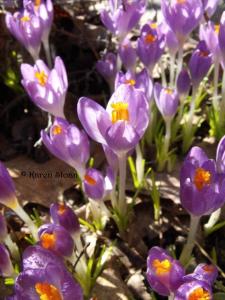 A big welcome back, spring… you’re my favourite season of them all. You’re full of potential and a new start to another year in the garden. I can hardly wait!
 The photos I’m sharing here are actually crocus pictures from last April. We still have much snow on the ground in my neck of the woods, but with the equinox on our doorstep there is light at the end of the tunnel!
 Borage flowers offer a lovely shade of true blue in the garden.
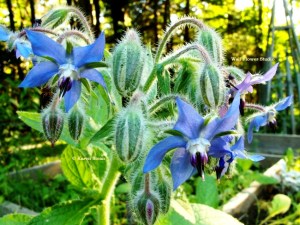 How extraordinary!
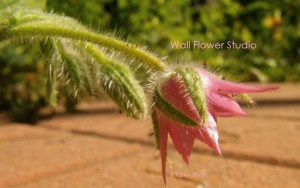
 Thankfully Borage is not a fussy plant and grows well in most soils. I’m happy to report that deer avoid Borage like the plague, likely due to its fuzzy leaves. A real plus in many a gardener’s mind!
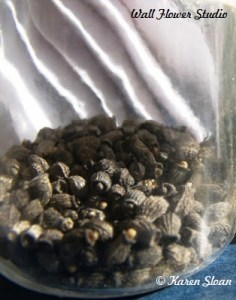 If you like to save and share, Borage seeds are easily harvested. Ore, leave them to self sow and every year you can look forward to them gracing the garden once again.
 Happy Gardening!

 wallflowerstudiogarden.com